
A New York story.
Roots in 1994.
From our first Internet connection to the work beneath the streets. Follow the milestones that shaped Stealth.

Built over time.
Networks evolve. These moments trace our path through Internet access, interconnection, and fiber infrastructure.
Jump to fiber construction-
Entry 011994
The work begins
Work on what would become Stealth Communications began in New York City in September 1994, in stealth mode. The company was formed later, and commercial services began in 1995 and 1996.
Domain registration
The .net registry records the registration of stealth.net on December 6, 1994; that date is not the company’s legal formation date.
Sources for 1994: .net registry domain record — 1994: The work begins (opens in a new tab)
-
Entry 021995
First connections
Commercial services begin as the Internet reaches more businesses. Stealth’s first connection to the Internet is a 1.5 Mbps T1 into MCI’s backbone.
-
Entry 031996
Commercial services
Commercial offerings continue with 128 Kbps ISDN and fractional T1 connections ranging from 64 Kbps to a full 1.5 Mbps T1.
Routers built in house
Stealth builds its own routers using PCs and field programmable gate arrays (FPGAs). Its custom Layer 2 transmission technology runs at 1 Gbps in full duplex, before Gigabit Ethernet is standardized in 1998.
Sources for 1996: IEEE Gigabit Ethernet history — 1996: Commercial services (opens in a new tab)
-
Entry 041997
Financial networks
Stealth brings native Ethernet connections to Island ECN across the NYC metro area using its custom router technology. The original company history records this as the first native Ethernet offering to Island ECN in the region.
-
Entry 051998–1999
Peering grows
Rapid Internet traffic growth leads to more than a dozen private DS-3 peering connections, each running at 45 Mbps. Stealth also establishes public peering at NYIIX, the New York International Internet Exchange.
-
Entry 062000
Buildings and IPv6
Stealth prewires 50 Broad Street and 29 Broadway in Lower Manhattan, bringing Fast Ethernet Internet access into the two office buildings.
Joining the IPv6 testbed
Stealth joins 6bone, the experimental IPv6 network, and receives a pTLA address assignment for participation in the testbed.
Work inside office buildings advances alongside Internet research: bringing Ethernet access to businesses while testing the next generation of Internet addressing.
Sources for 2000: 6bone background — 2000: Buildings and IPv6 (opens in a new tab)
-
Entry 072001
NY6IX launches
Stealth launches the New York IPv6 Exchange (NY6IX), connecting more than 12 organizations. Participants include Sprint, France Telecom, the U.S. Department of Defense, Qwest and ESnet.
Early IPv6 interconnection
The original company history identifies NY6IX as the largest IPv6 exchange on the East Coast at the time.
Production IPv6
On February 1, the American Registry for Internet Numbers (ARIN) allocates Stealth production IPv6 address space. Stealth’s company history places it among the first ten IPv6 networks in North America to reach this stage, with an sTLA allocation.
An Internet exchange gives participating networks a place to connect directly. NY6IX brings that model to IPv6, helping organizations exchange traffic as the protocol moves into operational use.
Sources for 2001: IIJ — 2001: NY6IX launches (opens in a new tab) IIJ press release — 2001: NY6IX launches (opens in a new tab) Teleglobe — 2001: NY6IX launches (opens in a new tab) Going Native (IPv6) — 2001: NY6IX launches (opens in a new tab) KDDI — 2001: NY6IX launches (opens in a new tab) ARIN IPv6 record — 2001: NY6IX launches (opens in a new tab)
-
Entry 082002
Optical backbone
Stealth upgrades the optical links between its core hubs using Transmode coarse wavelength division multiplexing (CWDM), with 16 channels carried over the fiber.
The Sprint gigabit agreement
Stealth secures gigabits of IP capacity from Sprint. The original company history records Stealth as Sprint’s largest IP customer in New York City at the time.
Sources for 2002: Light Reading — 2002: Optical backbone (opens in a new tab) Laser Focus World — 2002: Optical backbone (opens in a new tab)
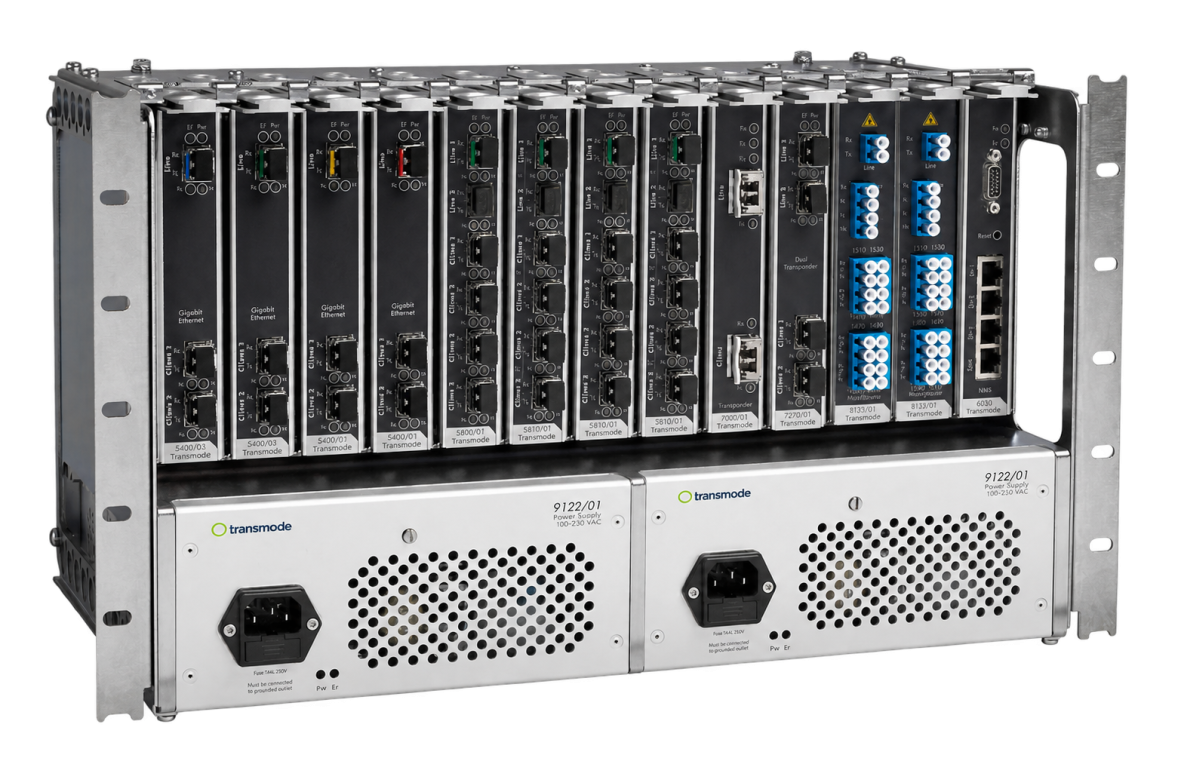
Transmode CWDM system -
Entry 092003
Routing and voice
Stealth selects and deploys Procket 8812 routers, adding support for high density 10 Gbps backbone connections.
Sources for 2003: Converge Digest — 2003: Routing and voice (opens in a new tab)
Voice Peering Fabric launches
Stealth introduces the Voice Peering Fabric (VPF), described in its company history as the world’s first distributed Ethernet exchange dedicated to Voice over Internet Protocol (VoIP). It enables direct calls between participating networks using ENUM directory lookups, without crossing the public switched telephone network (PSTN).
Sources for 2003: Voice Peering Fabric launches: Light Reading — 2003: Voice Peering Fabric launches (opens in a new tab)
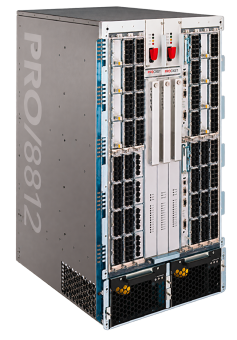
Procket 8812 router -
Entry 102004–2008
Voice Peering Forum
Stealth organizes and hosts multiple Voice Peering Forum events, bringing together companies developing and deploying VoIP technology.
Sources for 2004–2008: Event videos on YouTube — 2004–2008: Voice Peering Forum (opens in a new tab)
Force10 TeraScale deployment
Stealth deploys Force10 E-Series equipment in New York, Atlanta, Miami and Los Angeles, expanding the platforms supporting its voice and data interconnection services.
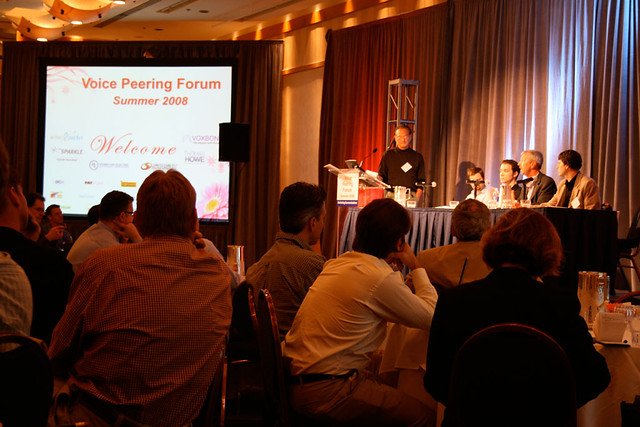
Gary Kim hosting a panel at the 2008 Voice Peering Forum 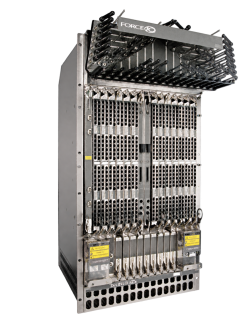
Force10 E1200i platform -
Entry 112005
Big Apple Peering Exchange
The Big Apple Peering Exchange (Big APE) launches as a low cost, high performance IPv4 peering platform for Internet service providers and content providers in the NYC area.
NY6IX joins Big APE
The NY6IX service merges into Big APE, bringing the earlier IPv6 exchange into the broader peering platform.
-
Entry 122009–2010
Over 500 direct connections
Stealth exchanges traffic directly with more than 500 other Internet networks, including major Internet service providers and content providers.
-
Entry 132013
City fiber construction
New York City grants Stealth information and telecommunications franchises to install fiber in the public right of way. Stealth’s own crews begin building a backbone from Midtown Manhattan toward the Financial District.
ConnectNYC Fiber Challenge
Stealth joins NYCEDC’s ConnectNYC Fiber Challenge. The program’s second round supports fiber construction and free fiber wiring for selected New York City businesses.
Network engineering and street construction come together, giving Stealth a direct role in building the physical routes that carry its services.
Sources for 2013: NYC franchise agreement (PDF) — 2013: City fiber construction (opens in a new tab) Construction retrospective — 2013: City fiber construction (opens in a new tab)
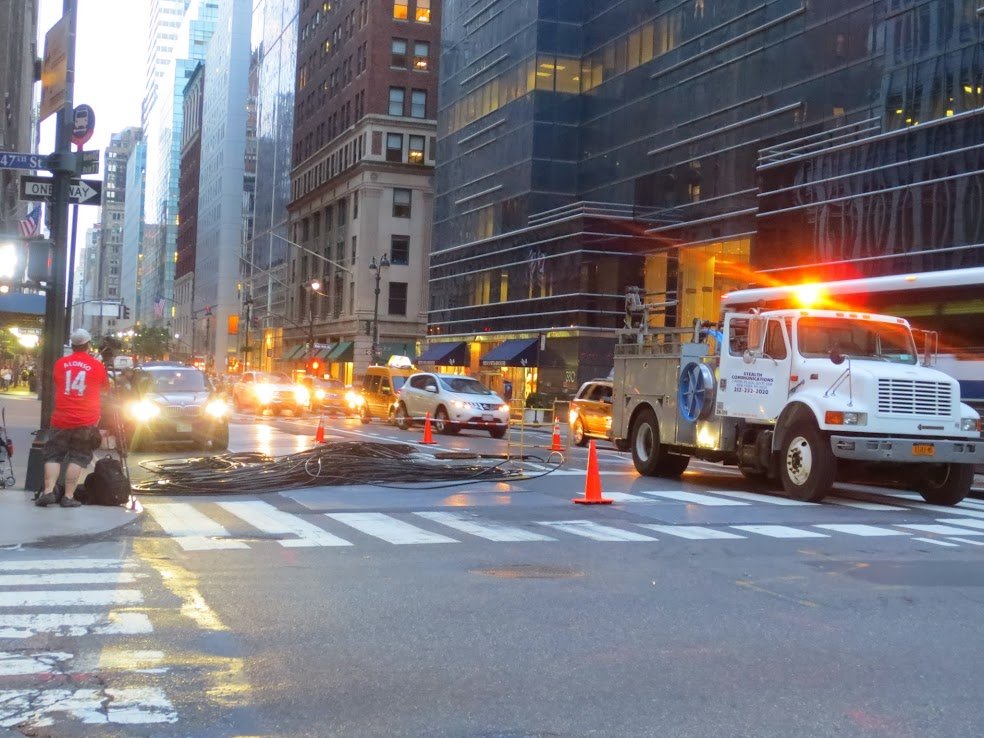
Stealth crew installing fiber beneath Midtown Manhattan streets -
Entry 142014
325 Hudson Street
A new core hub opens at 325 Hudson Street. Stealth brings in two cables containing 864 fibers each, one from the north and one from the south, and installs a 24 Tbps Internet core router.
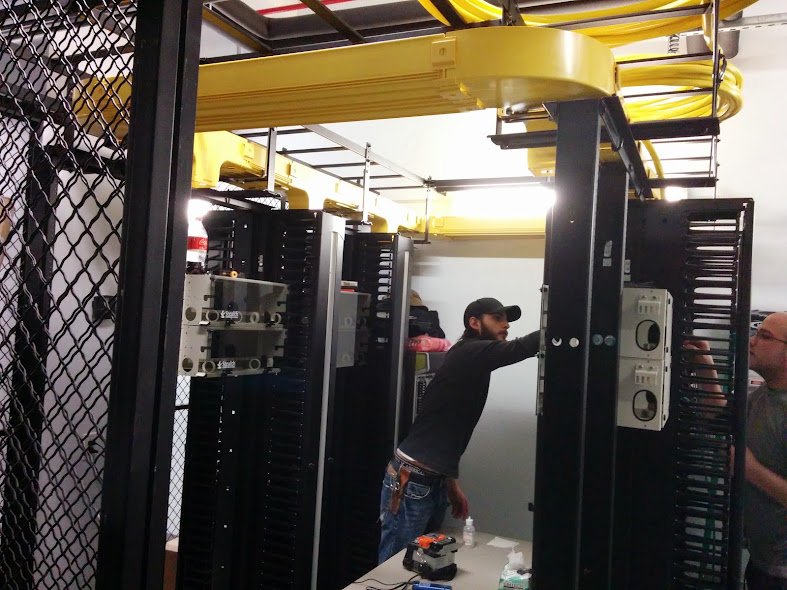
Stealth cage at 325 Hudson Street -
Entry 152015
Brooklyn expansion
Stealth joins the New York City Economic Development Corporation’s Connect IBZ initiative to bring fiber broadband to the Southwest Brooklyn Industrial Business Zone.
More than 130 Manhattan buildings
By this stage, Stealth’s fiber crews have connected just over 130 commercial buildings in Manhattan, alongside the expansion into Brooklyn.
The project focuses on industrial businesses in an area underserved by broadband infrastructure, extending the company’s construction work beyond Manhattan.
Sources for 2015: Project retrospective — 2015: Brooklyn expansion (opens in a new tab)
-
Entry 162016
Brooklyn goes live
Stealth’s underground Brooklyn fiber system enters service as part of Connect IBZ. Crews install more than 8,000 feet of new conduit, together with manholes in Southwest Brooklyn, and a 50 Tbps core router at Bush Terminal.
The expansion creates a physical path into the neighborhood: street infrastructure, fiber cable and a network hub built as part of the Connect IBZ project.
Sources for 2016: Fiber Broadband Association — 2016: Brooklyn goes live (opens in a new tab) Technical.ly — 2016: Brooklyn goes live (opens in a new tab) Observer — 2016: Brooklyn goes live (opens in a new tab) NY Business Journal — 2016: Brooklyn goes live (opens in a new tab)
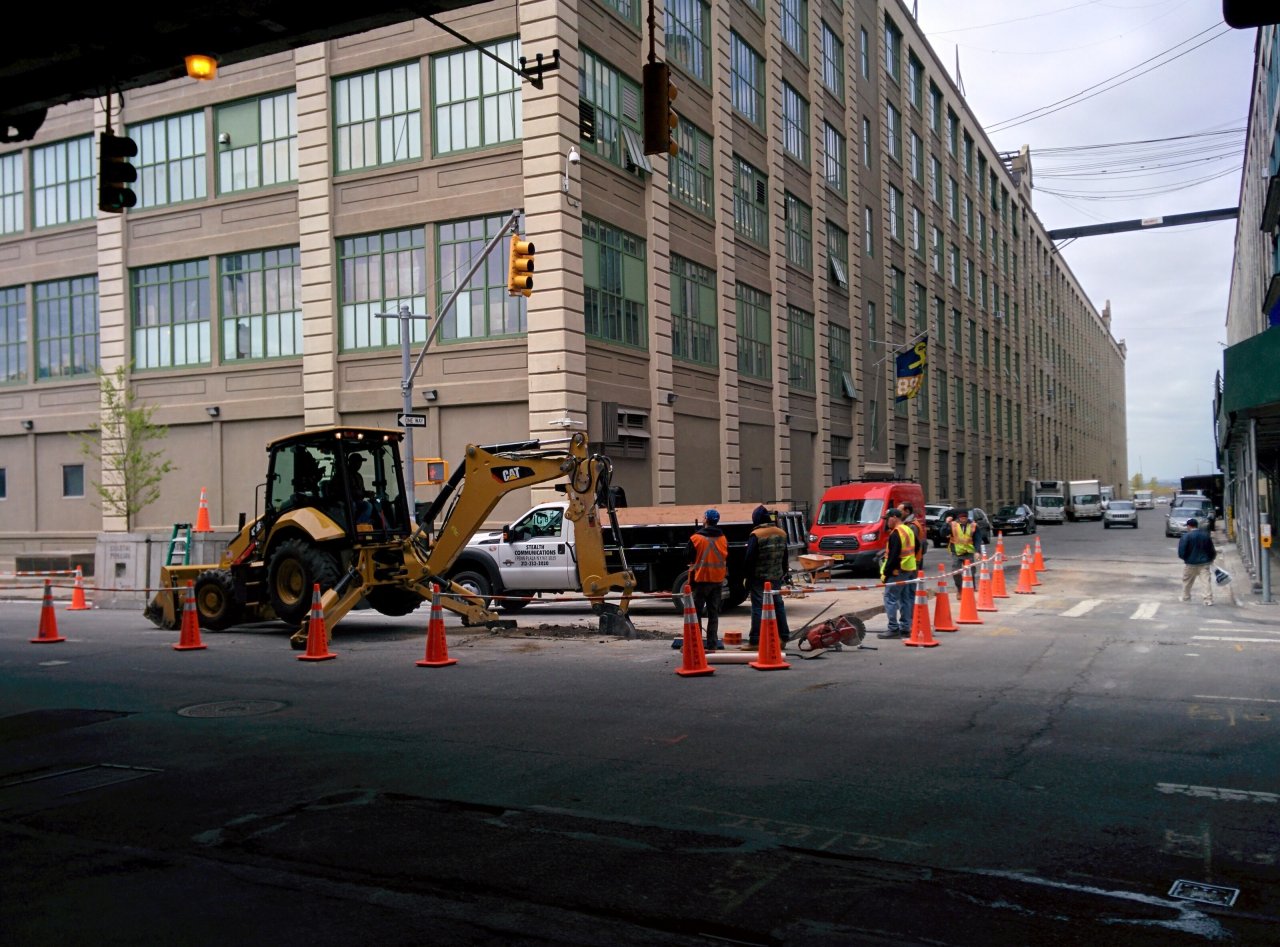
Underground conduit and access structure construction at Bush Terminal, Industry City
Stealth Communications · CC BY-SA 4.0 (opens in a new tab) · Resized; metadata removed. -
Entry 172017–2018
National speed recognition
In November 2017, Telecompetitor reports that BroadbandNow places Stealth first for average download speed among the 40 U.S. carriers in its comparison. The reported average is 145.9 Mbps.
A business Internet pick for New York
The company’s 2017–2018 history also records HighSpeedExperts naming Stealth its best business Internet pick in New York City.
Sources for 2017–2018: Telecompetitor / 2017 — 2017–2018: National speed recognition (opens in a new tab)
-
Entry 182019
NYC buildout and Pop-Up Fiber
Stealth launches Pop-Up Fiber for temporary engagements in New York City, using its own fiber network and field expertise to deliver gigabit connectivity for video, film and streaming productions seeking an alternative to satellite hookups.
An expanded construction plan
On May 14, Stealth announces plans to add 8,000 fiber miles of cable to its NYC network over the following year. Fiber miles measure the combined length of individual fiber strands, rather than miles of street route.
Sources for 2019: 2019 expansion announcement — 2019: NYC buildout and Pop-Up Fiber (opens in a new tab)
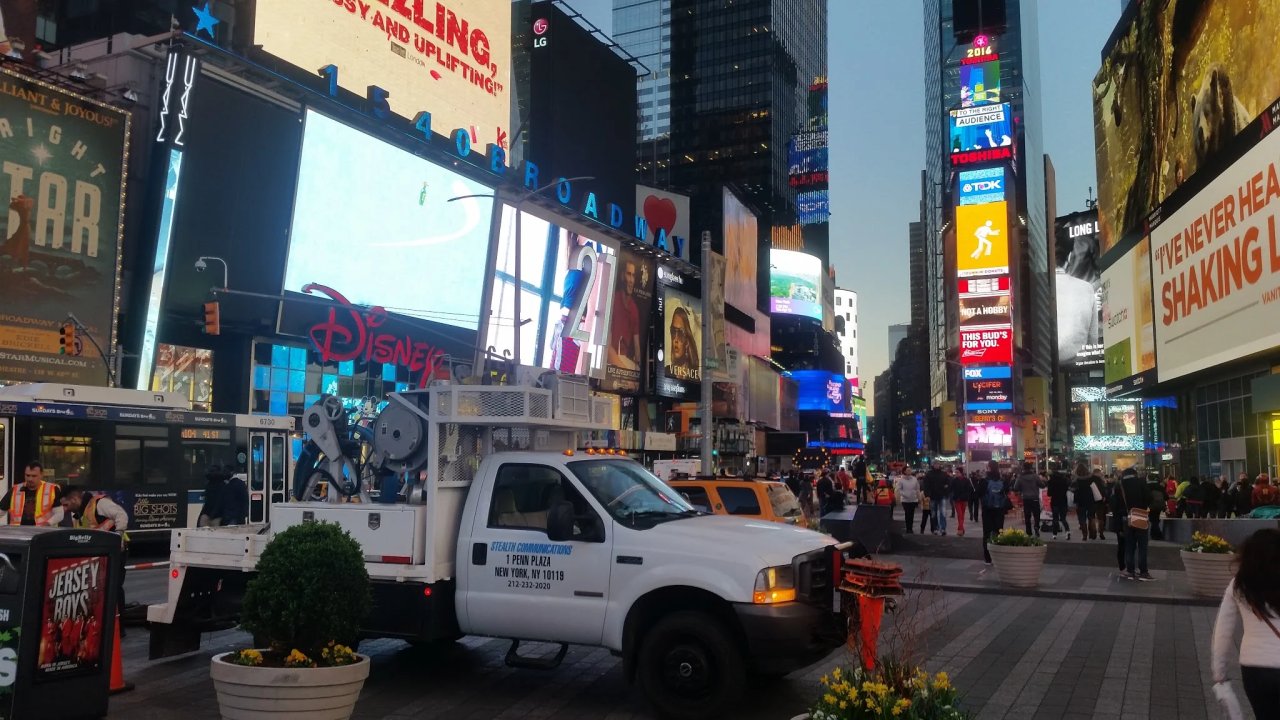
Stealth fiber crew working in the Times Square neighborhood -
Entry 192022
Core upgrade and speed recognition
On September 8, Nokia announces that Stealth has selected its 7750 Service Router and 7220 Interconnect Router platforms for a New York metro core upgrade.
Sources for 2022: Nokia announcement — 2022: Core upgrade and speed recognition (opens in a new tab)
Recognition for measured speed
In August, The National Interest reports that Stealth leads BroadbandNow’s local and regional provider rankings. The report records a maximum measured speed of 7,529 Mbps, approximately 7.5 Gbps.
The announced plan aims to carry more traffic, simplify network management and strengthen protection against distributed denial of service (DDoS) attacks using Deepfield Defender.
Sources for 2022: The National Interest / 2022 — 2022: Core upgrade and speed recognition (opens in a new tab)
-
Entry 202024
Recognition for our people
Comparably names Stealth among its 2024 Best Company Culture winners in the small and midsize company category. The recognition is based on anonymous employee ratings of leadership, career growth, work environment and other aspects of workplace culture.
Sources for 2024: Comparably / 2024 — 2024: Recognition for our people (opens in a new tab) Stealth Profile at Comparably — 2024: Recognition for our people (opens in a new tab)
-
Entry 212026
Super Intelligence and Business Platforms
Stealth launches two public measurement experiences that show how its New York City network connects to the AI and business services organizations use every day.
Super Intelligence
Live monitoring tracks round trip latency and reachability from Stealth NYC to public AI chat and API endpoints, with a rolling five day history and a defined AI connectivity SLA.
Explore Super IntelligenceBusiness Platforms
A companion view measures connectivity to public endpoints for business applications, collaboration tools and cloud services using separate ICMP, TCP port 443 and TLS observations.
Explore Business PlatformsTogether, the features make current network observations and their measurement methods available directly on Stealth’s website.


Historical milestones drawn from Stealth’s published company history (opens in a new tab), public records, original announcements and Stealth’s current public service pages.
Selected coverage.
- September 5, 2024 / Fierce NetworkVerizon’s Frontier acquisition and the convergence of networks (opens in a new window)
- April 30, 2024 / Fiber Broadband AssociationStealth Communications connects NYC (opens in a new window)
- November 6, 2023 / Broadband BreakfastSharing broadband infrastructure in New York City (opens in a new window)
- September 8, 2022 / GlobeNewswireNokia selected to upgrade Stealth Communications’ core network (opens in a new window)
The work behind
the network.
A closer look at the crews, materials and street work that shape Stealth’s network.


Built for the work ahead.
Explore the services behind your next network, building, or production.
Explore our services